
Smoke and Carbon Monoxide Alarms
Every home in Ontario must have a working smoke alarm on every storey and outside all sleeping areas. In addition each home must have a carbon monoxide (CO) alarm outside sleeping areas. It is strongly recommended that additional CO alarms be placed in areas where fuel burning appliances are located, the distance from the appliances should be determined by the manual of the alarm.
Carbon Monoxide
Beginning January 1, 2026, new Ontario Fire Code requirements for carbon monoxide (CO) alarms will come into effect, bringing harmonization with national codes and Ontario-specific updates. The Bracebridge Fire Department is encouraging all residents, landlords and business operators to be prepared for these changes by installing additional carbon monoxide alarms to align with the updated rules.
The new Fire Code requirements will expand CO alarm installation in:
- Existing Homes: Alarms will now be required on every storey, not just near sleeping areas.
- Multi-Unit Residential Buildings: CO alarms must be installed in all suites meeting certain conditions, service rooms, and, in some cases, public corridors.
- Care Occupancies: This includes residential care facilities and certain group homes, where CO alarms will be required in suites and common areas.
These changes are designed to better protect vulnerable populations and ensure CO alarms are placed where risks are highest.
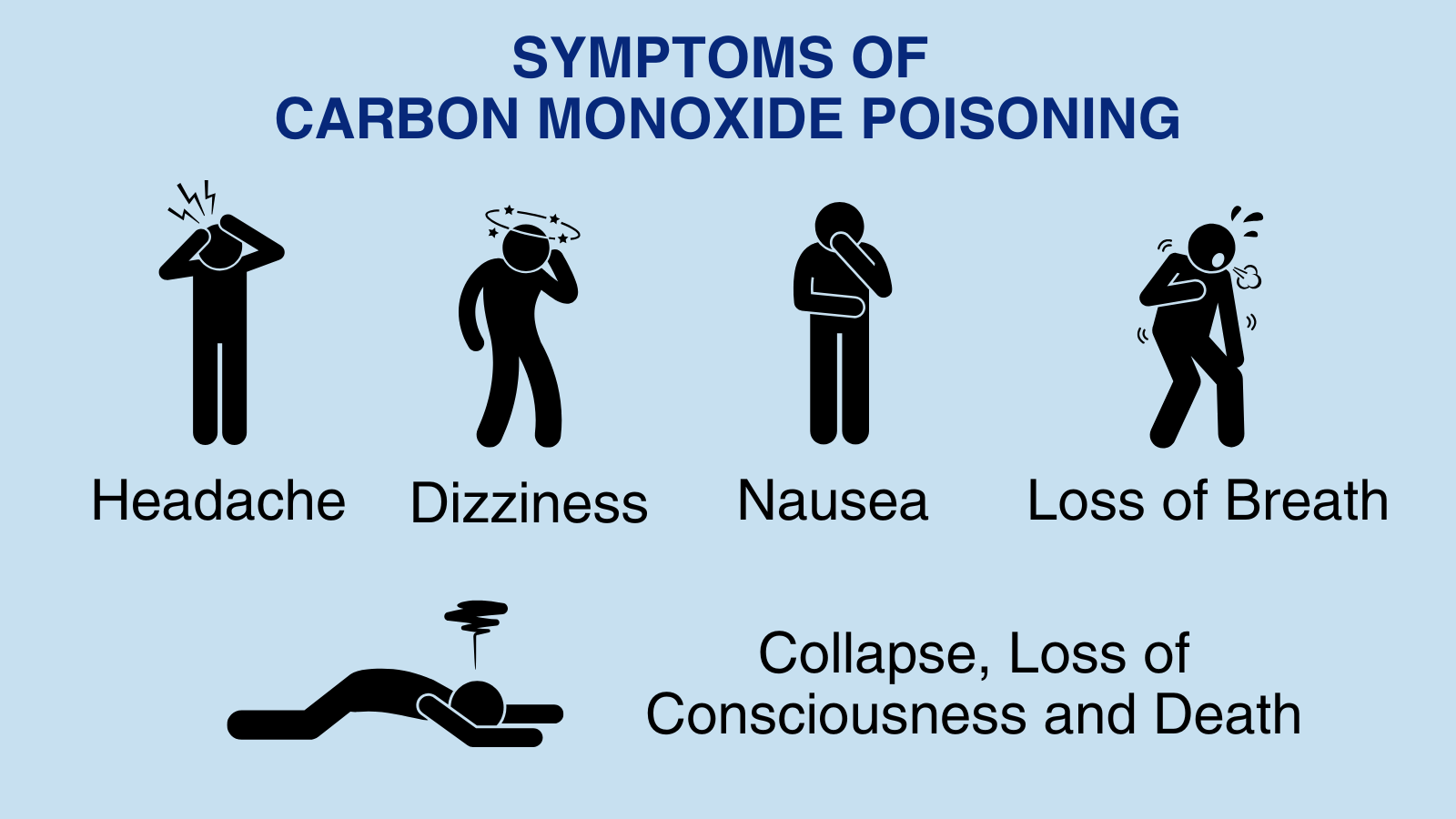
Carbon monoxide is an invisible, odourless, and deadly gas. Exposure to carbon monoxide can cause headaches, nausea, dizziness, breathlessness, loss of consciousness, and even death. Follow these safety guidelines to ensure your safety.
- Test CO alarms monthly and replace the batteries at least once a year;
- Have fuel-burning appliances such as furnaces, gas stoves, and fireplaces inspected annually by a certified technician;
- Keep chimneys and vents clear of debris and obstructions;
- If your CO alarm sounds or anyone experiences symptoms of CO poisoning, go outside immediately and call 9-1-1; and
- Never use barbecues, portable fuel-burning camping equipment, or gas-powered generators indoors or in enclosed spaces.
Smoke Alarms
Smoke alarms save lives. Smoke alarms that are properly installed and maintained play a vital role in reducing fire deaths and injuries. Fire spreads fast—working smoke alarms give you early warning so you can get outside quickly.
- Smoke alarms have been legally required to be installed on every storey of a residence in Ontario since 2006.
- Residences also include vacation homes, cabins, trailers, RVs, and cottages.
- Landlords must test alarms annually, after the battery is replaced, and after every change in tenancy. Renters must notify their landlord as soon as they become aware that a smoke alarm is not operating
Safety is your responsibility.
- Homeowners: It is the homeowner’s responsibility to install and maintain smoke alarms on every storey of their home and outside sleeping areas.
- Landlords: It is the landlord’s responsibility to ensure their rental properties comply with the law.
- Tenants: If you are a tenant of a rental property and do not have the required number of smoke alarms, contact your landlord immediately. It is against the law for tenants to remove the batteries or tamper with the alarm in any way.
Maintain your smoke alarms
Test smoke alarms monthly
Test your smoke alarms every month by using the test button on the alarm. When the test button is pressed, the alarm should sound. If it fails to sound, make sure that the battery is installed correctly or install a new battery. If the alarm still fails to sound, replace the smoke alarm with a new one.
Change the batteries at least once a year
Install a new battery at least once a year, or as recommended by the manufacturer. Install a new battery if the low-battery warning sounds or if the alarm fails to sound when tested.
Vacuum alarms annually
Dust can clog your smoke alarms. Battery-powered smoke alarms should be cleaned by opening the cover of the alarm and gently vacuuming the inside with a soft bristle brush.
For electrically connected smoke alarms, first shut off the power to the unit, and then gently vacuum the outside vents of the alarm only. Turn the power back on and test the alarm.
Replace older smoke alarms
All smoke alarms wear out. Replace them every 10 years according to the manufacturer’s instructions.
Contact Us
Town of Bracebridge
1000 Taylor Court
Bracebridge, ON P1L 1R6
Phone: (705) 645 5264